A Rented Room,
Twelve Families,
One Borrowed Gutka.
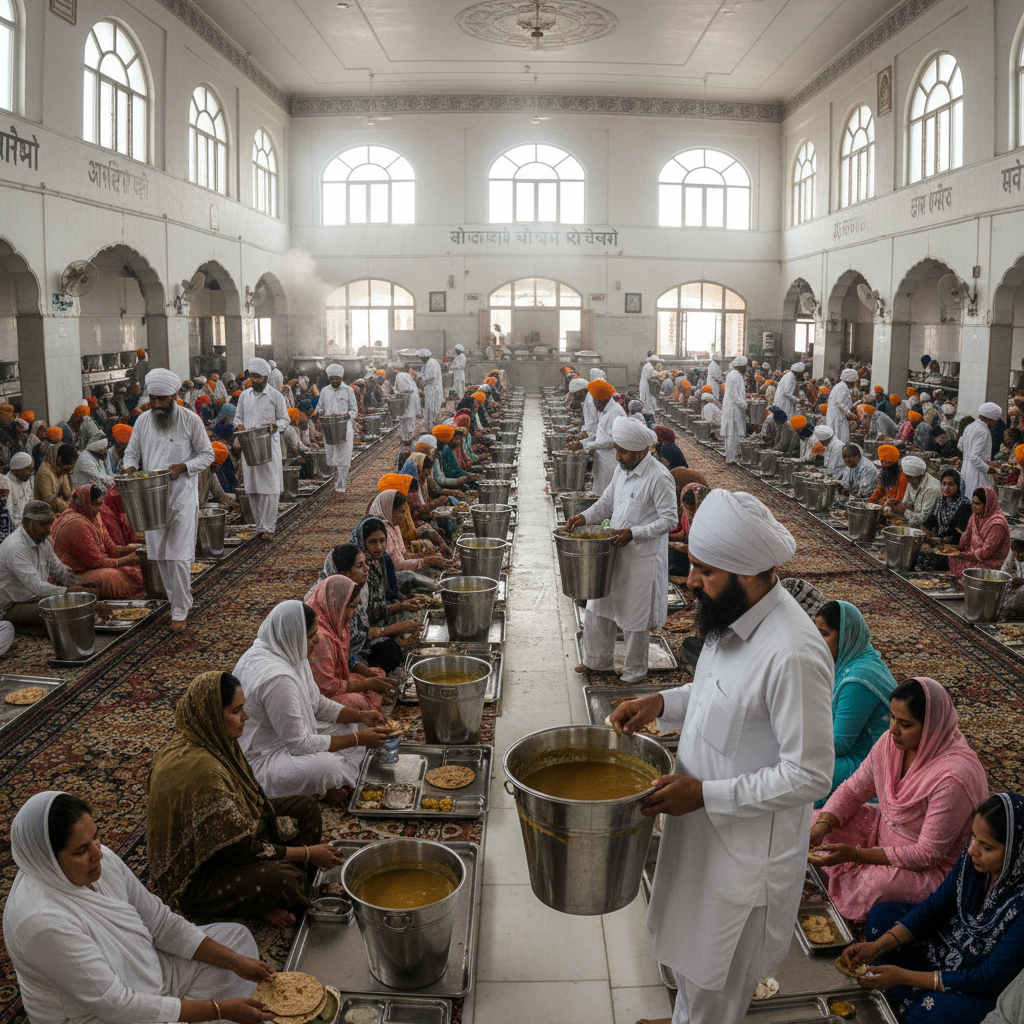
In the winter of 1974, twelve Punjabi families gathered in a rented community hall on Elmwood Avenue. Someone had borrowed a Guru Granth Sahib from a gurdwara two cities away. Someone else had brought a degh they'd carried wrapped in their car blanket.
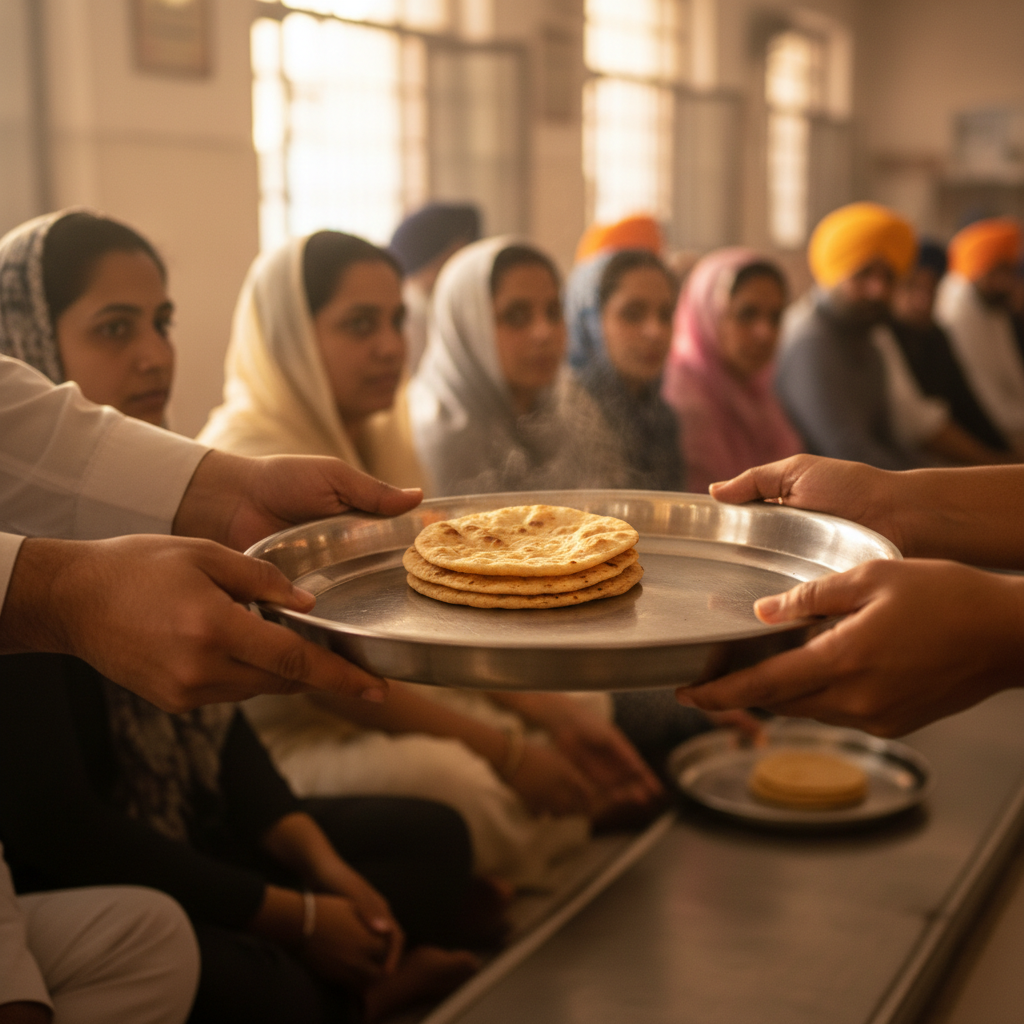
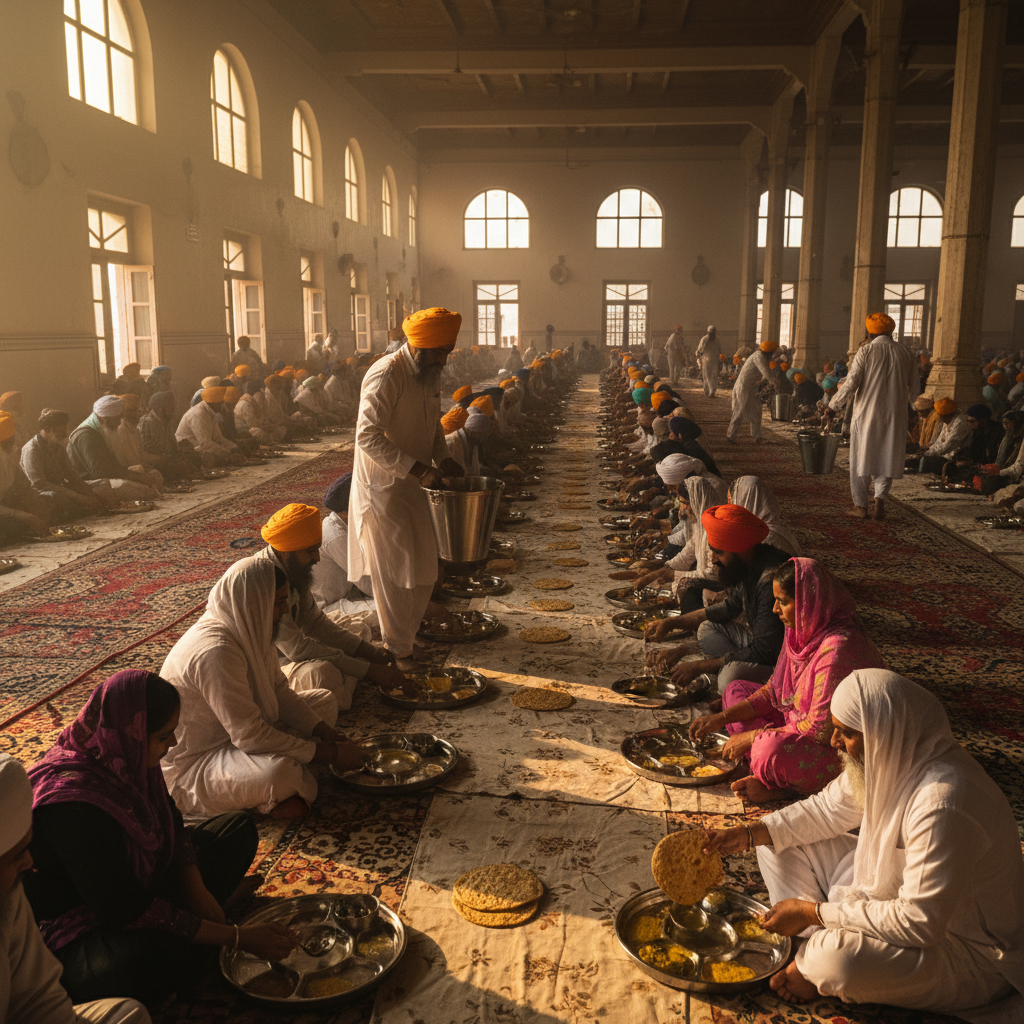
There was no building permit, no committee, no treasurer. There was kirtan, and there was langar, and there were people who needed both. That was enough to begin.
The first stranger who walked in off the street — a man named Gerald, who would later say he had not eaten in two days — sat down on the floor with everyone else and was served first. That is still the rule.
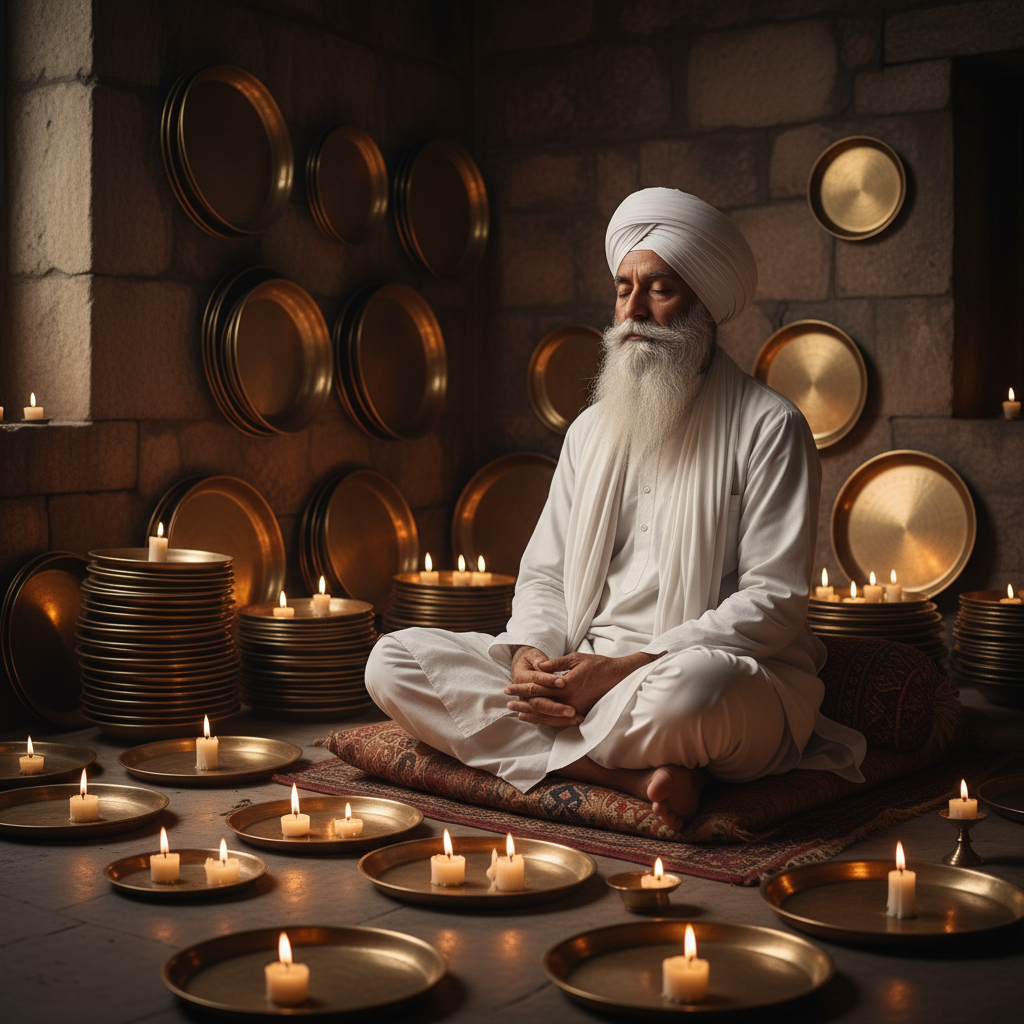
Elmwood Avenue, 1974
Where it began
52
Years of unbroken Sunday langar — through snowstorms, a pandemic, and two building fires.
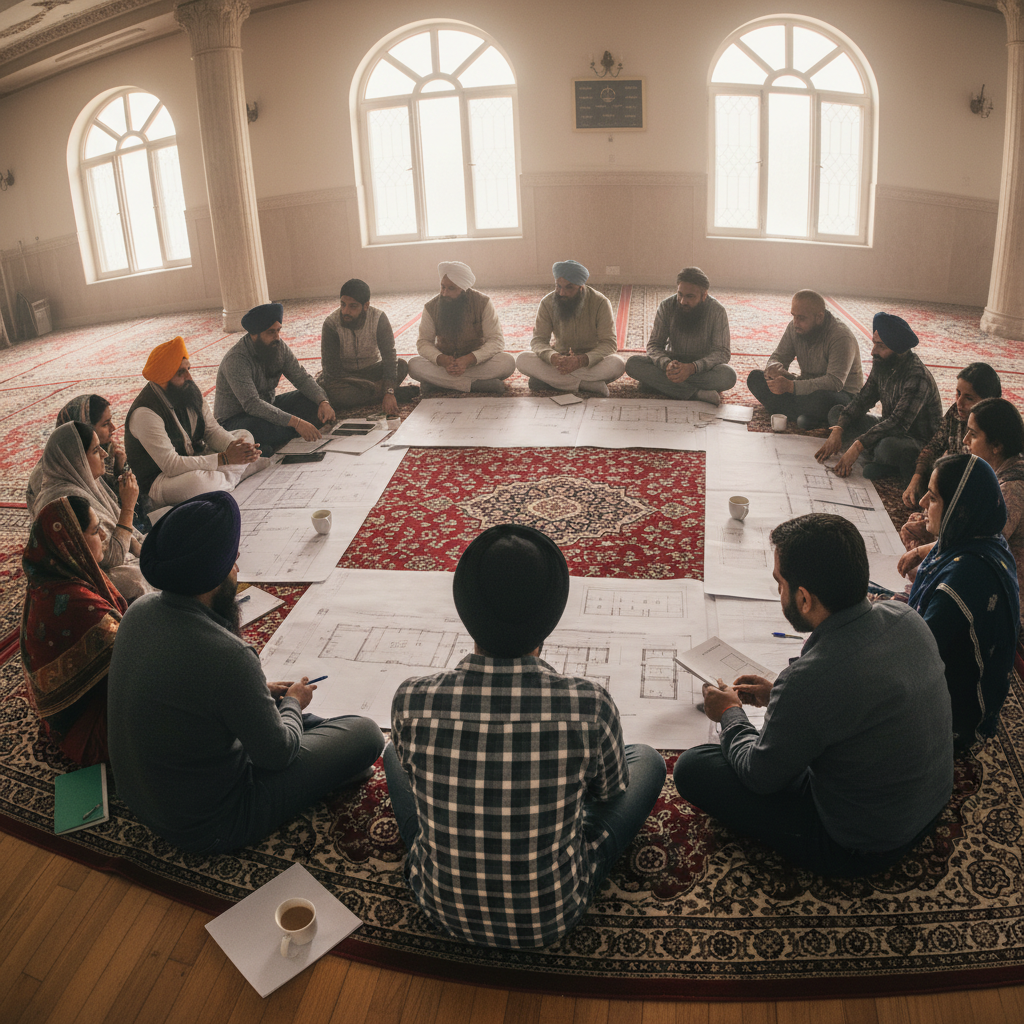
Zoning hearings at 7 AM.
Kirtan at 4.
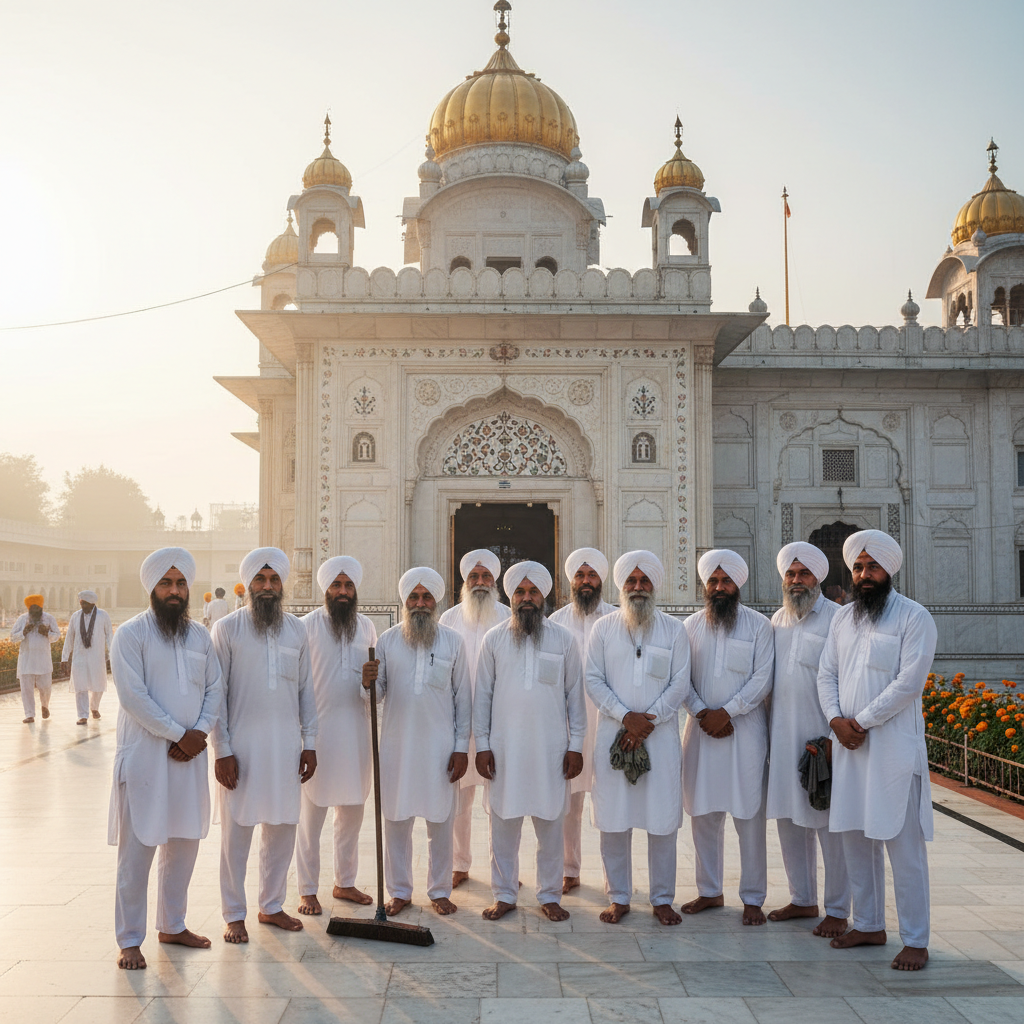
The city's zoning board met six times before approving the building permit. Committee members — uncles who had retired from factory floors and engineering firms — taught themselves municipal code. They brought their grandchildren to translate. They brought langar to the hearings.
The first health inspection failed on a grease trap. The second passed. The third, a city inspector named Thomas Okafor, stayed for lunch. He came back the following Sunday with his family. He still comes.
6
Zoning hearings before approval
3
Health inspection rounds
18
Years to own the building outright